Cockroach control is among the most common pest issues we treat in Queens. Much of Queens, though, is detached and semi-detached single-family homes with yards — Bayside, Queens Village, Middle Village, Ozone Park — a profile heavier on ants, stinging insects, wildlife (squirrels, raccoons) and seasonal mosquitoes than apartment pests, with park edges like Alley Pond, Flushing Meadows–Corona and Juniper Valley adding warm-season outdoor pressure that pushes indoors as the weather cools.
Cockroach control in Queens: what to know
Queens is the most varied borough by housing type, and its pest profile varies with it. The dense pre-war co-ops and garden-apartment buildings of Jackson Heights, Flushing and Forest Hills carry the shared walls, courtyards and ageing plumbing that let mice and German cockroaches move between units, while the borough's intense restaurant and market corridors — Roosevelt Avenue, Main Street in Flushing, Steinway Street in Astoria — drive some of the strongest rodent and roach pressure in the city.
Newer high-rise towers in Long Island City and older converted-industrial stock add elevator- and riser-borne rodent and cockroach pressure plus 'water bugs' from shared basements, and high tenant turnover across the rental stock keeps bed bugs a live concern in dense neighbourhoods like Jackson Heights and Jamaica.
Much of Queens, though, is detached and semi-detached single-family homes with yards — Bayside, Queens Village, Middle Village, Ozone Park — a profile heavier on ants, stinging insects, wildlife (squirrels, raccoons) and seasonal mosquitoes than apartment pests, with park edges like Alley Pond, Flushing Meadows–Corona and Juniper Valley adding warm-season outdoor pressure that pushes indoors as the weather cools.
How much does cockroach & water bug control cost in Queens?
$120–$700
NYC one-time treatment: $150–$700 (most jobs ~$300). German cockroach: $200–$500. American/water bug: $150–$300. Monthly maintenance plan: $50–$100/month. National average (Bob Vila): $120–$160.
| German cockroach | $200–$500 one-time |
| American / water bug | $150–$300 one-time |
| Monthly maintenance plan | $50–$100 per month |
Market range — not our quote
This is a market range synthesised from published cost guides — not a quote from this provider. The actual price depends on an in-person or photo-based inspection.
NYC-specific figures rely on tier-2 sources only; Bob Vila's tier-1 national figure ($120–$160) sits well below the NYC-claimed range — consistent with a genuine NYC premium but not independently verified at that magnitude.
What drives the price
- Species (German roaches cost more — faster reproduction, hide in appliances/cabinet voids)
- Single unit vs building-wide program (co-ops/condos: $500–$2,000+)
- One-time vs recurring monthly plan
- Shared-plumbing-riser buildings (NYC pre-war stock) spreading infestation building-wide
Signs you need cockroach control
- Small tan roaches with two dark stripes seen in a kitchen or bathroom, especially at night — German cockroach
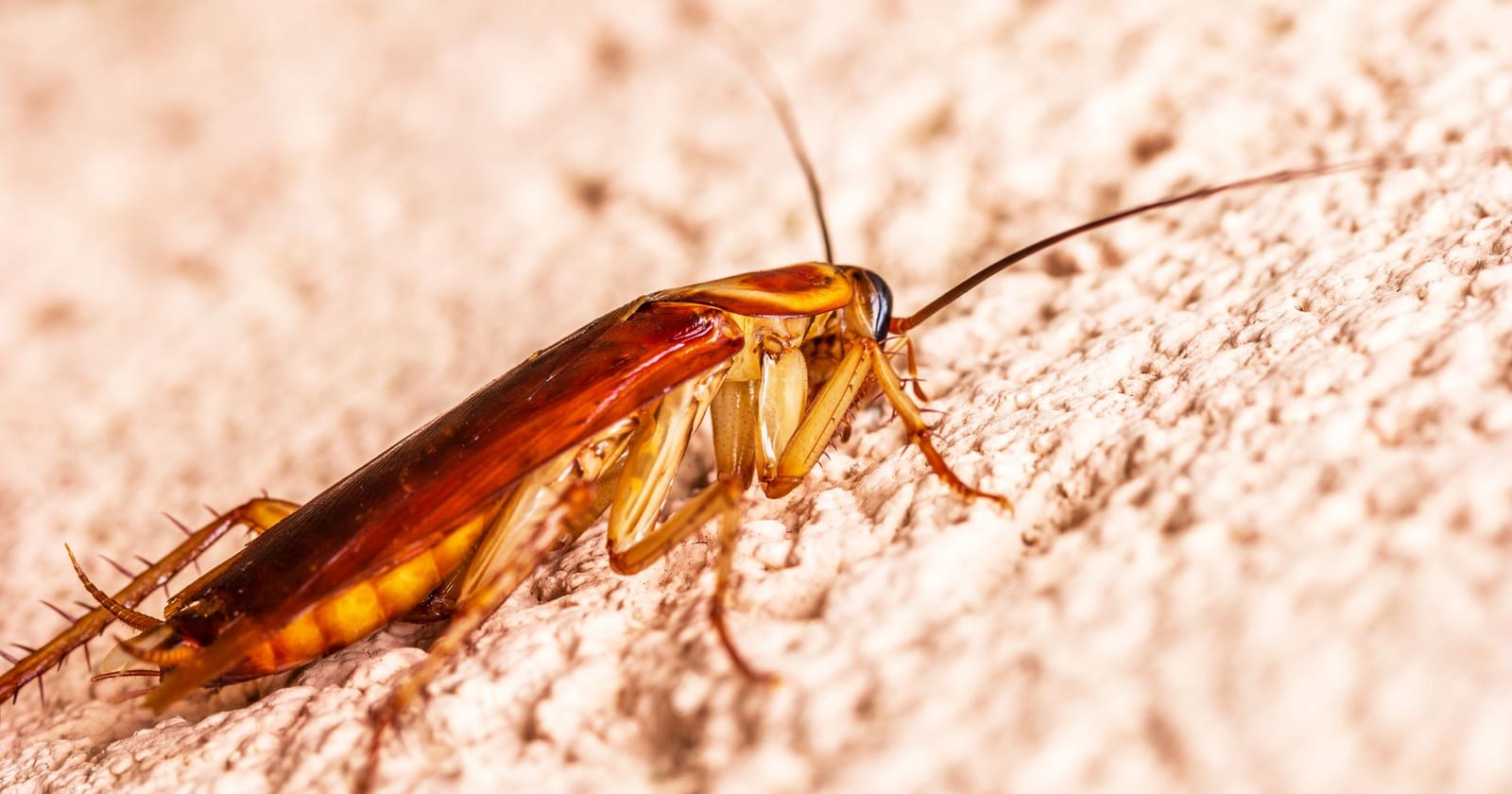
- Large reddish-brown 'water bugs' emerging from a floor drain, basement stairwell, or bathroom fixture
- Dark, pepper-like droppings concentrated in cabinet corners or under appliances
- Egg cases tucked into cracks and crevices near a kitchen sink or behind appliances
- Water bugs appearing seasonally in summer and largely absent in winter
How we treat cockroach control in Queens
The German cockroach (Blattella germanica) is small, tan, and stays close to its food and moisture source — if you're seeing them, the harborage is almost always within a few feet, in cabinet voids, behind appliances, or under sinks. It's the #1 residential cockroach across New York City regardless of building type, and its biology (fast breeding, resistant to spray) is exactly why gel bait applied at cracks and crevices works and broadcast spraying doesn't — spraying disperses the population instead of eliminating it.
'Water bug' is New York vernacular for the American and Oriental cockroach, both larger and both living in sewers, basement drains, and utility voids rather than food-storage areas. They enter apartments and commercial units from the drain system itself, most often surfacing in bathrooms and basement stairwells, and the pattern is seasonal — appearing as sewer gas drives them up in summer, all but disappearing in winter. Treating a water-bug sighting means addressing the drain and the basement, not the room where it was seen.
Local landmarks & coverage
We serve all of Queens and the surrounding Queens area — including Flushing Meadows–Corona Park, Citi Field, USTA Billie Jean King National Tennis Center, Rockaway Beach, Astoria Park, Queens Boulevard — across ZIP codes 11354, 11355, 11372, 11375, 11101, 11102, 11103, 11385, 11432, 11435.