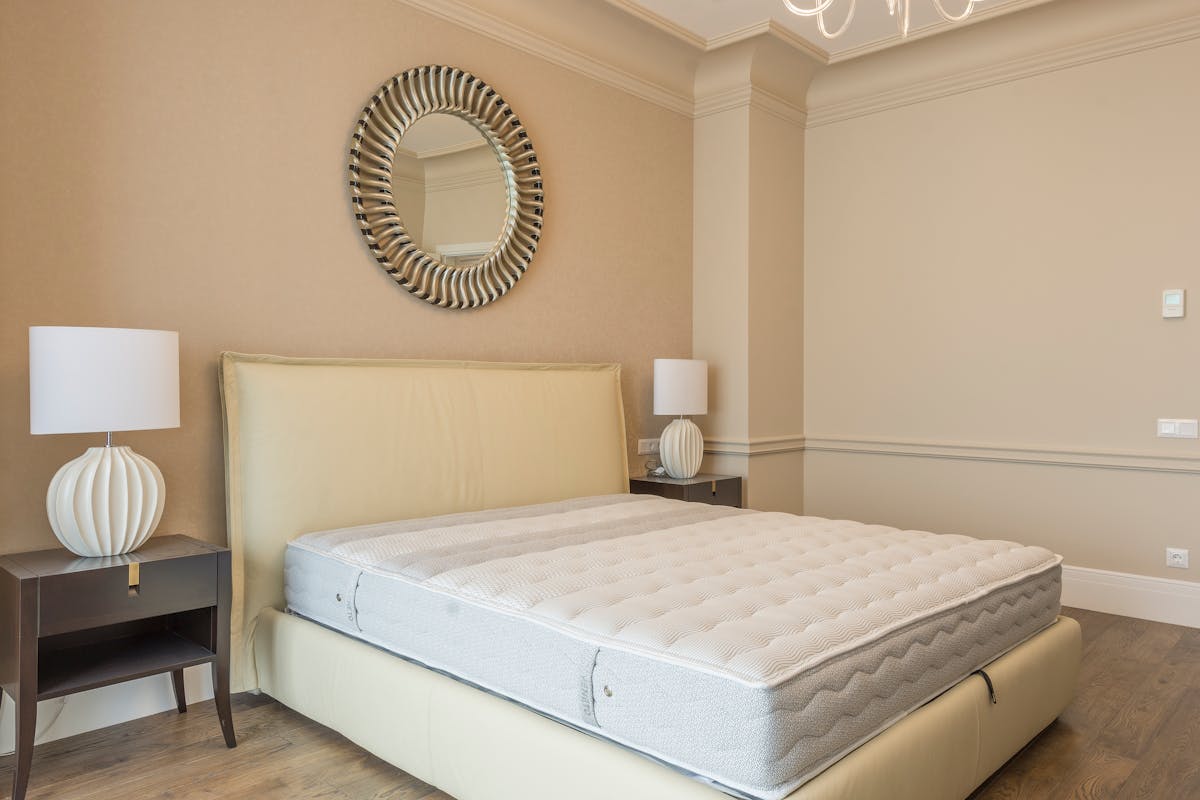
Bed bug control is among the most common pest issues we treat in Queens. Much of Queens, though, is detached and semi-detached single-family homes with yards — Bayside, Queens Village, Middle Village, Ozone Park — a profile heavier on ants, stinging insects, wildlife (squirrels, raccoons) and seasonal mosquitoes than apartment pests, with park edges like Alley Pond, Flushing Meadows–Corona and Juniper Valley adding warm-season outdoor pressure that pushes indoors as the weather cools.
Bed bug control in Queens: what to know
Queens is the most varied borough by housing type, and its pest profile varies with it. The dense pre-war co-ops and garden-apartment buildings of Jackson Heights, Flushing and Forest Hills carry the shared walls, courtyards and ageing plumbing that let mice and German cockroaches move between units, while the borough's intense restaurant and market corridors — Roosevelt Avenue, Main Street in Flushing, Steinway Street in Astoria — drive some of the strongest rodent and roach pressure in the city.
Newer high-rise towers in Long Island City and older converted-industrial stock add elevator- and riser-borne rodent and cockroach pressure plus 'water bugs' from shared basements, and high tenant turnover across the rental stock keeps bed bugs a live concern in dense neighbourhoods like Jackson Heights and Jamaica.
Much of Queens, though, is detached and semi-detached single-family homes with yards — Bayside, Queens Village, Middle Village, Ozone Park — a profile heavier on ants, stinging insects, wildlife (squirrels, raccoons) and seasonal mosquitoes than apartment pests, with park edges like Alley Pond, Flushing Meadows–Corona and Juniper Valley adding warm-season outdoor pressure that pushes indoors as the weather cools.
How much does bed bug treatment cost in Queens?
$300–$4,000
Per room (chemical): $300–$600. Per whole apartment (heat): $1,500–$4,000. National per-job average: $145–$500 (Bob Vila) to $1,000–$4,000 whole-home (aggregator synthesis).
| Chemical treatment | $300–$600 per room |
| Heat treatment | $1,500–$4,000 per apartment |
Market range — not our quote
This is a market range synthesised from published cost guides — not a quote from this provider. The actual price depends on an in-person or photo-based inspection.
The NYC per-room/heat figures come only from tier-2 NYC pest-industry blogs; the national anchor (Bob Vila $145–$500) is markedly lower, suggesting NYC-specific multi-visit chemical or heat jobs are being compared against a simpler national per-visit figure. Wide spread — verify against a real local quote before treating as a firm number.
What drives the price
- Chemical (multi-visit, cheaper per visit) vs heat (single visit, higher upfront)
- Apartment size / room count
- Severity and spread of infestation
- K9 inspection add-on for post-treatment clearance
Signs you need bed bug control
- Itchy bites appearing in a line or cluster after sleeping
- Rust-coloured spots on sheets, mattress seams, or the headboard
- Live bugs visible in mattress seams, box spring joints, or behind the headboard
- Small pale eggs or shed skins tucked into furniture crevices or outlet covers
- A recent stay involving shared laundry, secondhand furniture, or an adjacent unit's known infestation
How we treat bed bug control in Queens
Bed bugs (Cimex lectularius) can survive six to twelve months or more without feeding in cool, dry conditions, and hide within about a metre and a half of wherever a host sleeps: mattress seams, box-spring joints, headboard cracks, outlet covers, and baseboard gaps. That biology is constant across every borough and every building type — what changes citywide is how they arrive and spread.
In multi-unit buildings, an untreated adjacent apartment or the floor above or below can reinfest a just-treated unit within weeks, travelling through wall voids the same way mice do. Laundromat exposure via shared machines is a commonly underestimated transmission path, and kerbside or secondhand furniture is another frequent source citywide. Hotel stays get blamed often, but in dense NYC housing the more common source is building-to-building spread, not a single travel incident.
Local landmarks & coverage
We serve all of Queens and the surrounding Queens area — including Flushing Meadows–Corona Park, Citi Field, USTA Billie Jean King National Tennis Center, Rockaway Beach, Astoria Park, Queens Boulevard — across ZIP codes 11354, 11355, 11372, 11375, 11101, 11102, 11103, 11385, 11432, 11435.